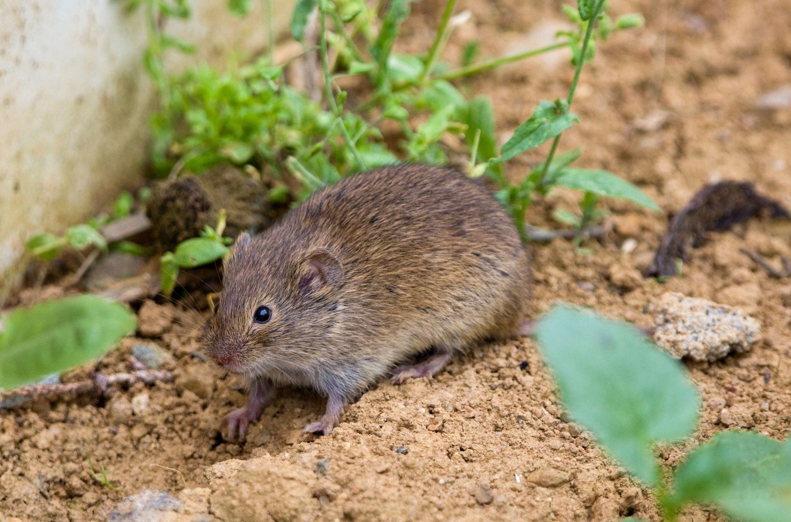
Why Fall Is the Most Important Time to Deal With Voles in Calgary
Quick Answer
Fall is the last chance to act before snow hides everything. Voles stay active all winter, tunnelling between frozen ground and the snowpack where no predator reaches them. By April the chewing is finished and the lawn is already ruined. Treating in September and October clears the population while it is still visible and reachable.
Introduction
Every spring, Calgary homeowners walk out to the same unpleasant surprise. The snow pulls back and the lawn underneath looks like someone dragged a garden rake across it in every direction. Grey trails, shredded turf, missing bulbs, young trees stripped bare at the base. None of it can be fixed in April. The damage happened months earlier, quietly, underneath the snow.
That gap between when the harm happens and when anyone notices it is why timing carries so much weight here. Homeowners who arrange the kind of vole control Calgary yards need in September are preventing a problem. Those who start searching in May are paying to repair one. The window is narrow, and it shuts with the first lasting snowfall.
What follows covers why autumn matters so much on the prairies, what to look for in your yard right now, and which measures actually survive an Alberta winter. Start with the animal itself, since most of the confusion around these rodents comes from mistaking them for something else.
Most Vole Damage Happens Under the Snow, Not on Top of It
Homeowners expect rodent trouble to peak in warm weather. Voles work the opposite way. They don’t hibernate, they don’t slow down, and a deep snowpack is closer to ideal housing than a hardship. That reversal drives every decision made in October.
Telling Voles Apart From Moles and Mice
Three small animals get blamed for the same ruined lawn, and the response to each is different.
| Culprit | What you see | What it eats |
| Vole | Narrow surface trails, golf-ball-sized holes | Grass roots, bulbs, bark |
| Mole | Raised ridges, cone-shaped dirt mounds | Insects and worms |
| Mouse | Nests indoors or in sheds, no lawn trails | Seeds, stored food |
Treating a mole problem with vole methods wastes a whole season. Winding paths instead of mounds, and plants chewed rather than pushed up, point to voles.
How Snow Cover Shields Voles All Winter
Once a lasting cover settles over the city, a sheltered pocket forms between frozen soil and the underside of the snow. Inside that layer, conditions turn generous:
- Hawks, owls, coyotes and foxes lose sight of their prey completely
- Temperatures hold steady well above the air above
- Grass crowns, roots and tree bark sit within easy reach
- Breeding continues, so a modest autumn population becomes a large spring one
Nearly all vole damage Calgary properties suffer happens during those hidden months. Nothing on the surface hints at it until melt.
Spotting Vole Runways in Your Yard This Fall
Autumn signs are subtle but findable once you know where to look. Check beneath decks, along fence lines, around shrub beds and at the base of young trees. Watch for:
- Clipped grass gathered in small piles near a hole
- Bare, flattened runways roughly two to five centimetres wide
- Chewed bark close to ground level on saplings
- Soft, hollow spots underfoot in garden beds
Flattened runways matter most. The vole tunnels lawn Calgary residents uncover in spring almost always follow routes established back in September, which means those paths are visible right now wherever the grass sits short enough to reveal them.
The Autumn Window Closes With the First Lasting Snowfall
Snow can arrive in this city in mid-October and simply stay. Once it does, the population is sealed in, unreachable and protected for five or six months. Nothing applied on top of a snowbank reaches an animal living beneath it.
Successful vole prevention fall planning therefore runs on a short schedule:
- Early September. Assess the yard, identify active runways, cut back cover.
- Late September. Reduce the population while the animals remain exposed.
- Early to mid-October. Install tree guards, apply deterrents, finish with a short mow.
- First lasting snowfall. The window shuts.
Work inside that sequence and winter passes without incident. Miss it, and spring repair becomes the only option left, long after the lawn has paid for the delay. Knowing when to act is half the job. Knowing which measures survive five months of cold is the rest.
Fall Steps That Survive an Alberta Winter
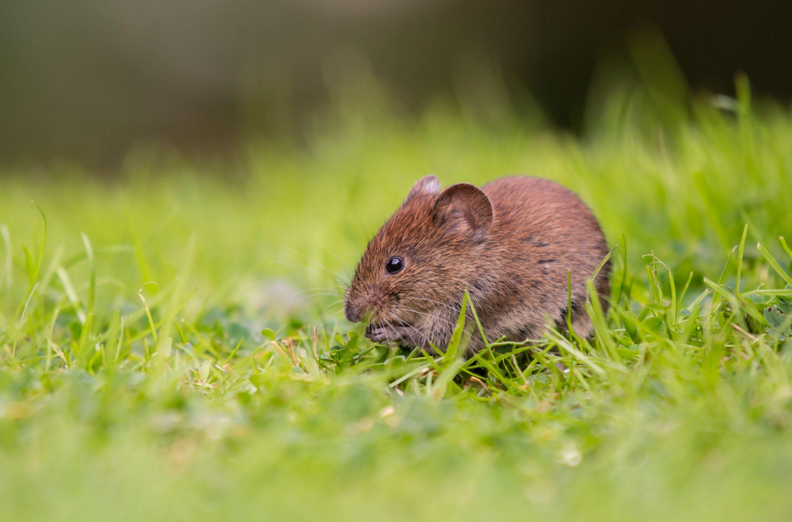
Preparation only pays off if the work holds up under months of snow. A few autumn habits carry most of the load.
Strip Away the Cover They Rely On
Voles avoid open ground because it exposes them. Removing shelter before freeze-up pushes them toward a neighbouring field instead of your flower beds.
- Rake up heavy leaf litter rather than leaving it over beds
- Pull mulch back to about five centimetres and keep it off plant stems
- Clear weeds, long grass and debris along fences, sheds and woodpiles
- Skip late-summer fertilizer so the turf enters dormancy without lush growth
Guard the Trees and Shrubs Worth Protecting
Young trees and ornamentals are the expensive casualties. Bark stripped in a full ring around the trunk kills the plant outright.
| Protection | How to install it | Best suited for |
| Hardware cloth guard | Buried 5 to 8 cm down, extending above expected snow depth | Saplings, fruit trees |
| Gravel collar | 15 cm ring of stone at the base | Shrubs, ornamentals |
| Bark repellent | Applied in early autumn, reapplied after heavy rain | Mature trees, hedging |
Mesh openings need to measure a quarter inch or smaller. Anything wider and the animals slip straight through.
Clearing a Colony That Has Already Settled In
Habitat work alone rarely clears a yard that already hosts a colony. Homeowners asking how to get rid of voles before winter usually choose between snap traps set directly across active runways, or enclosed bait stations placed around the perimeter in early fall. Traps baited with peanut butter and oats cost little and show clearly whether numbers are falling. Stations cover ground faster on larger lots, though they need to be tamper-resistant anywhere pets or children play.
See also: Why Fonts Matter In Everything You See And Read
When a Yard Needs Professional Treatment
A few runways along one fence line is a weekend job. A yard crossed by trails in every direction, or a property backing onto green space with a steady supply of newcomers, usually isn’t. Licensed technicians can map activity properly and treat the full perimeter, though absolute pest control is never a realistic promise with a species that breeds this quickly. The sensible target is keeping numbers low enough that winter feeding causes no real harm.
All of it traces back to one decision made before the snow settles.
What Your Lawn Will Look Like Next April
Voles are one of the few yard problems where the work and the result sit six months apart. Everything decided in September and October shows its value the following spring, in a lawn that comes through winter intact. The short final mow, the cleared beds, the mesh around the saplings, the traps across active runways. Spring offers repair and nothing else.
Walk the property this week while the ground is still bare. If the trails are few, a weekend of tidying may be enough. If they run everywhere, the vole control services Calgary homeowners rely on are worth a call before the forecast turns. Either way, the advantage goes to whoever moves first. Snow arrives on its own schedule, and once it does, the decision has been made for you.