Sod Installation in Calgary: Best Time of Year & What to Expect
Quick Answer
The best time for laying sod in Calgary is mid-May through mid-September, when the soil is warm and frost risk has passed. Late spring and early fall are the two strongest windows, since cooler air and steady moisture help roots settle fast. Sod can go down almost any time the ground isn’t frozen, but installing inside this range gives your new lawn the best shot at thriving.
Introduction
Picture handing over good money for a fresh green lawn, only to watch it brown out three weeks later because it went down at the wrong time. That happens in yards across the city every year, and it usually traces back to timing rather than bad grass.
Calgary’s growing season is shorter than many homeowners expect, which makes the calendar one of the biggest factors in whether your turf takes root or struggles. Getting a handle on sod installation Calgary means understanding how the local climate, soil, and weather swings shape the outcome long before the first roll hits the ground. A few weeks in either direction can decide between a lawn that knits in quickly and one that fights to survive.
The good news is that the rules here are simple once you know them. Get the season right, prep the ground properly, and water with intention. Your yard rewards you for years.
Best Time to Lay Sod in Calgary, Season by Season
The window for laying turf in Calgary is narrower than in most Canadian cities. Aim for mid-May through mid-September. Within that stretch, two sweet spots are worth planning around.
Late spring (mid-May to mid-June) is the top pick. The ground has warmed, temperatures sit in a comfortable range, and leftover moisture from the spring melt helps fresh rolls settle without you babysitting the hose. Roots grab hold quickly, and the lawn has the whole summer to mature.
Early fall (mid-August to mid-September) runs a close second. Cooler air puts less stress on new turf, autumn rain covers some of the watering, and the soil stays warm enough to push root growth before freeze-up. Fall jobs often root faster than mid-summer ones for that reason.
Here’s how the seasons stack up for a Calgary sod installation project:
| Season | Conditions | Verdict |
| Early spring (before mid-May) | Frozen subsoil, late frost risk | Too early |
| Late spring | Warm soil, natural moisture | Best window |
| Mid-summer | Heat and dryness, heavy watering | Workable with care |
| Early fall | Cool air, autumn rain | Second best |
| Late fall / winter | Frozen ground, no watering | Avoid |
Mid-summer installs are far from impossible. Heat above 25°C just forces early-morning or late-afternoon work so rolls don’t scorch on the pallet, and watering discipline has to be strict, since dry Calgary wind pulls moisture out fast.
A few climate quirks shape all of this:
- Short season: the frost-free stretch is brief, so the practical calendar is tight.
- Clay soil: much of the city sits on heavy clay that needs grading and amendment before turf goes down.
- Dry, windy air: moisture loss is quicker here than in wetter parts of the country.
Kentucky bluegrass is the standard choice locally, bred for this climate and comfortable with the temperature swings.
What Happens During Sod Installation Day
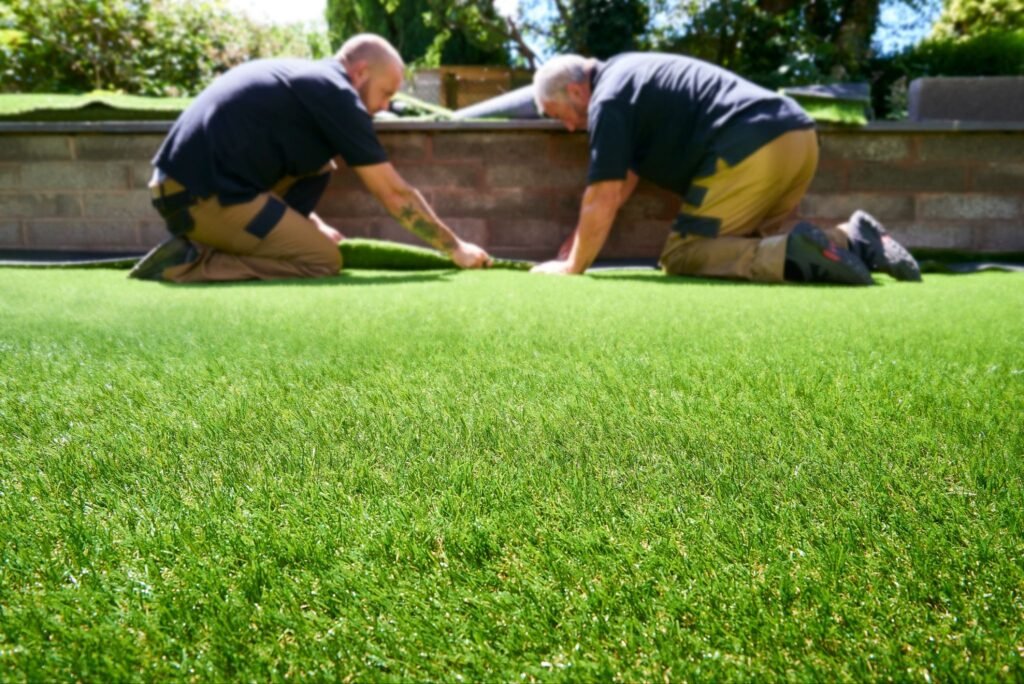
Once the season is set, the real work is in the preparation. The most common reason new turf fails here isn’t the grass. It’s the ground underneath it. A good crew spends more time on prep than on rolling out the green.
Expect the job to move through a few clear stages:
- Clearing the old lawn: existing grass and weeds get stripped with a sod cutter, never buried.
- Grading and soil work: the ground is levelled and sloped away from the house, and clay-heavy yards get amended.
- Drainage checks: low corners or wet spots may need a swale or French drain first.
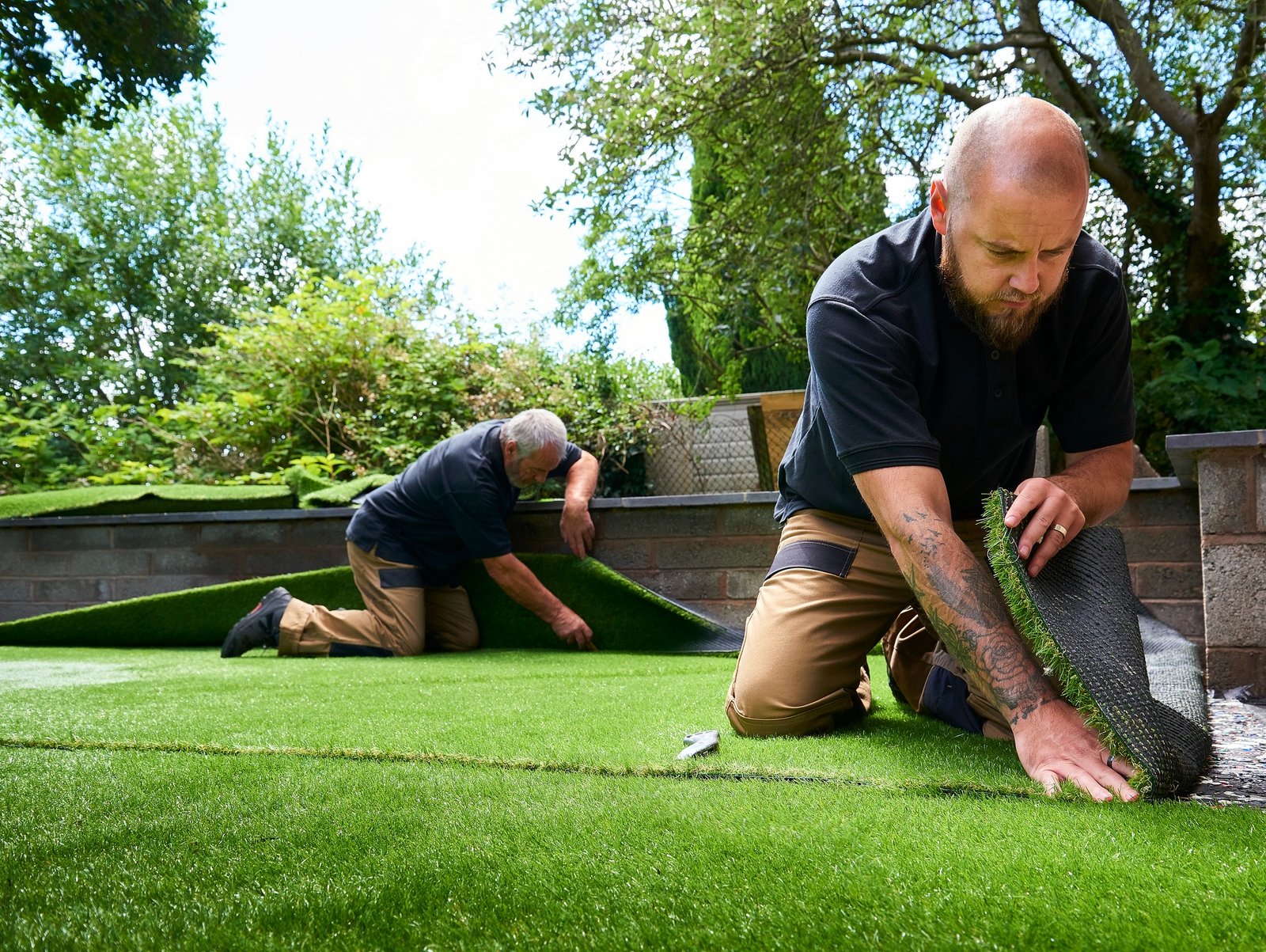
- Laying and pressing: rolls are fitted tight with staggered seams, then pressed for solid soil contact.
- First deep watering: the new lawn gets a thorough soak the same day it goes down.
A typical Calgary backyard runs one to two pallets, with each pallet covering roughly 600 square feet. Most residential jobs wrap in a single morning when the weather holds.
After that, the first few weeks are on you. New turf needs steady moisture while it roots, which usually takes three to four weeks. One deep soak beats frequent light sprinkles, because deep watering pulls roots downward and builds a tougher lawn. On hot days above 25°C, bump up to a couple of heavy waterings a week, always in the early morning to cut evaporation.
You’ll know the roots have caught when you tug gently on a corner and feel resistance instead of lift.
See also: Business Phone 911037564 Customer Assistance
Setting Your New Lawn Up to Last
A healthy Calgary lawn comes down to three things done well: picking the right season, preparing the ground with care, and watering with purpose in those first critical weeks. Get all three right, and your turf knits into the soil quickly, shrugs off the summer heat, and greens up reliably year after year.
Timing and prep carry more weight than the grass itself. Aim for late spring or early fall, insist on proper grading and drainage, and give new rolls the deep, consistent moisture they need to root. Skip any of those steps, and even premium turf can struggle.
Do the job yourself or bring in a seasoned local crew. Either way, the payoff is a thick, resilient yard that turns your outdoor space into somewhere you actually want to spend time.