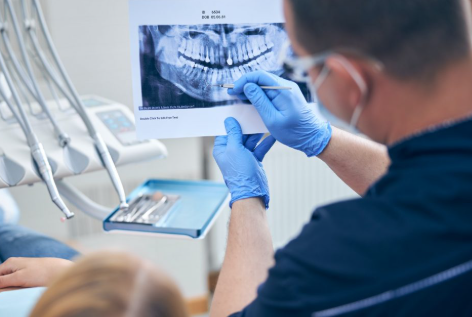
The Essential Guide to Modern Oral & Maxillofacial Surgery
Oral and maxillofacial surgery (OMS) is a specialized field focused on diagnosing and treating complex conditions of the mouth, jaw, face, and neck. It bridges dentistry and medicine, requiring extensive training and expertise in facial anatomy. OMS addresses issues like impacted wisdom teeth, facial trauma, and reconstructive surgeries, helping restore function and aesthetics.
What is Oral and Maxillofacial Surgery?
Oral and maxillofacial surgery is an internationally recognized surgical specialty. An oral and maxillofacial surgeon is a dental specialist who has completed an additional four to six years of hospital-based surgical residency training. This extensive education covers anesthesia, general surgery, and emergency medicine, equipping them to handle complex surgical cases that a general dentist cannot.
The scope of this field is surprisingly broad. It encompasses the diagnosis and surgical treatment of diseases, injuries, and defects involving both the functional and aesthetic aspects of the hard and soft tissues of the oral and maxillofacial region.
The Importance of Specialized Care
Why can’t a general dentist handle these procedures? While general dentists are highly skilled in preventative and restorative care, OMS specialists are trained to manage complications and navigate the intricate anatomy of the facial nerves and bones.
Proper oral health is linked to overall systemic health. Issues in the jaw or mouth can lead to chronic pain, nutritional deficiencies due to inability to chew, and even social anxiety caused by facial deformities. By addressing these deep-rooted issues, oral surgeons improve a patient’s quality of life, not just their smile.
Tooth Extractions: More Than Just Pulling Teeth
The most common procedure performed by oral surgeons is tooth extraction. While the goal is always to preserve natural teeth, there are circumstances where removal is the safest and healthiest option.
Why Are Extractions Necessary?
Several situations necessitate the removal of a tooth:
- Impacted Wisdom Teeth: This is the most frequent reason for surgery in young adults. When third molars don’t have enough room to emerge or grow in at an odd angle, they can cause pain, infection, and damage to adjacent teeth.
- Severe Decay or Infection: If a tooth is too damaged to be saved by a root canal, extraction prevents the infection from spreading to the jawbone or bloodstream.
- Overcrowding: For orthodontic treatment (like braces) to work effectively, surgeons may need to remove teeth to create space for proper alignment.
- Trauma: Teeth that are fractured below the gum line often cannot be restored and must be removed.
The Procedure
Simple extractions involve loosening the tooth and removing it with forceps. However, surgical extractions are more complex. This often involves making an incision in the gum line and sometimes removing bone around the tooth or cutting the tooth into smaller pieces for easier removal.
Because oral surgeons are trained in anesthesia, they can offer various sedation options—from nitrous oxide (laughing gas) to IV sedation—ensuring the patient remains comfortable and pain-free throughout the process.
Post-Extraction Care
Recovery depends heavily on how well a patient follows post-operative instructions. Key steps for a smooth recovery include:
- Biting on gauze to help a blood clot form (which is essential for healing).
- Applying ice packs to reduce facial swelling.
- Sticking to soft foods for the first few days.
- Avoiding straws and smoking, as the suction can dislodge the blood clot and cause a painful condition known as “dry socket.”
For those looking to replace missing teeth after healing, specialists can also discuss options like tooth implants in Hutto, TX, or similar local services to restore full function.
See also: Wasted on Lol How to Avoid Time Wasting Online
Facial Surgery: Restoring Function and Form
Beyond the teeth, oral and maxillofacial surgeons are experts in facial bone structure. They perform surgeries to correct congenital defects, repair injuries, and improve facial harmony.
Corrective Jaw Surgery (Orthognathic Surgery)
This surgery is needed when jaws don’t meet correctly and/or teeth don’t seem to fit with the jaws. These misalignments can cause difficulty chewing, speaking, breathing (sleep apnea), and chronic jaw pain (TMJ disorders)W.
During the procedure, the surgeon cuts the jawbone to reposition it, securing it with plates and screws. This realigns the bite and improves facial symmetry. While the recovery is longer than a standard dental procedure, the results can be life-changing, drastically improving the patient’s ability to eat and speak comfortably.
Facial Trauma Repair
Oral surgeons are often on the front lines in emergency rooms treating facial trauma. They are uniquely qualified to manage injuries to the mouth, face, and jaws caused by car accidents, sports injuries, or falls.
- Fractured Jaws and Facial Bones: Repairing these breaks requires precision to ensure the bite aligns correctly and the facial appearance is restored.
- Soft Tissue Injuries: Surgeons repair complex lacerations to the face and inside the mouth, paying close attention to salivary glands, facial nerves, and ducts.
- Knocked-Out Teeth: If treated immediately, surgeons can sometimes re-implant teeth that have been knocked out during an accident.
Cosmetic Facial Procedures
Because of their deep understanding of facial anatomy, many oral surgeons also perform cosmetic procedures. This can range from minimally invasive treatments like Botox and dermal fillers to surgical enhancements such as:
- Chin augmentation (Genioplasty): Reshaping the chin to improve facial profile.
- Cheek implants: Adding definition to the cheekbones.
- Rhinoplasty: Correcting the shape of the nose, often in conjunction with jaw surgery to ensure facial balance.
Finding the Right Surgeon for You
If your dentist recommends oral surgery, choosing the right specialist is the first step toward a successful outcome. You are entrusting someone with your health and your appearance, so due diligence is necessary.
Credentials and Qualifications
Always verify that the surgeon is board-certified by the American Board of Oral and Maxillofacial Surgery (or the equivalent board in your country). Board certification indicates that the surgeon has passed rigorous exams and maintains high standards of education and practice.
Additionally, look for hospital privileges. Surgeons who have privileges at local hospitals are vetted by those institutions, providing an extra layer of credibility.
Questions to Ask During Consultation
Don’t be afraid to interview your surgeon during the initial consultation. Consider asking:
- How often do you perform this specific procedure?
- What type of anesthesia do you recommend, and who will administer it?
- What are the potential risks and complications?
- What does the recovery timeline look like?
- Can I see before-and-after photos of similar cases?
A qualified surgeon will be transparent, patient, and willing to answer all your questions until you feel comfortable proceeding.
Conclusion
Oral and maxillofacial surgery is a medical field that addresses complex health issues of the mouth, jaws, and face. Whether you’re a teen needing wisdom teeth removal, an accident victim requiring reconstruction, or someone seeking relief from chronic jaw pain, these specialists have the expertise to restore your health and confidence.