What Heavy-Duty Generators Need to Stay Reliable During Long Running Hours
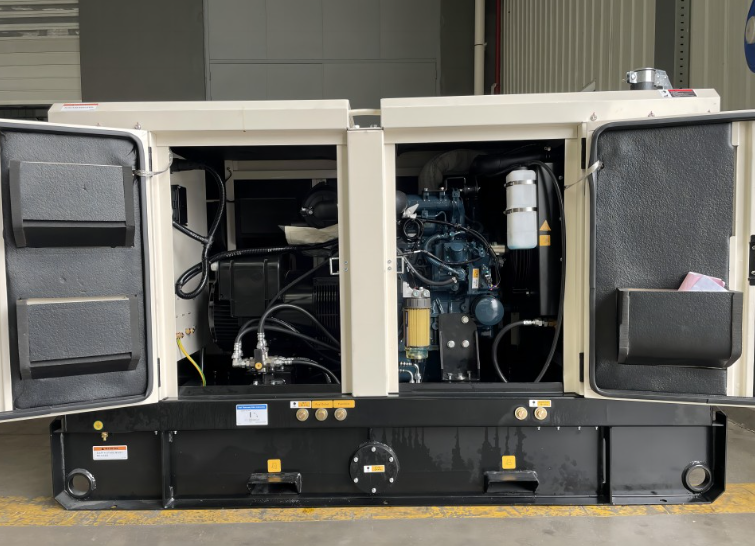
Heavy duty generators are designed to function for longer times, reliably energizing homes, businesses, and construction sites without any interruption. In fact, the longer the heavy duty generator is in operation, the greater the stress exerted on the engine, cooling mechanisms, and fuel distribution. Notably, when these machines are not well taken care of, even the most robust heavy duty generator can easily malfunction or underperform when the need arises.
Factors Contributing to Importance of Oil & Lubrication
Engine oil serves as the first level of protection against friction and heat. Engine oil works hard when the generator has long hours of operation. The oil constantly moves to remove heat and ensure that metal moving parts are in motion. Engine oil deteriorates with time, thus losing its protective element. It becomes important to regularly check engine oil or change it frequently because old engine oil can make the generator work harder and increase fuel consumption in the process. Using new oil in the generator can play an important role in maintaining its lifespan.
In cases where the generator operates continuously for several hours, it relies on the cooling function to prevent the engine from getting too hot. Regardless of whether the generator employs an airflow cooling or liquid cooling technology, both airflow and liquid need to flow in the correct manner. Debris, dirt, or clogged air vents impair the cooling process, resulting in increased temperatures. It always helps to check the cooling fan or liquid, in cases where the latter applies, to prevent any fluctuations in temperatures.
See also: Best Pizza in Ohio: A Local’s Guide to Top-Rated Slices
Fuel Quality & Clean Flow Matter
Long runtime means there will always be fuel demand. In cases where fuel could be contaminated or there are fuel line obstructions, the power generator can fail or result in malfunctioning or loss of power or stalling or stalling due to loss of power. Water or sediment in the fuel tank can lead to engine malfunction. It all boils down to draining the fuel tank regularly or using the proper fuel and checking fuel filters from time to time. It can link to the need to diesel generator servicing the power generator.
Filters That Keep the Engine Breathing
Air and fuel filters keep any harmful particles from entering the engine. These filters work harder longer when used for an extended period and tend to clog sooner. A clogged filter can cause insufficient airflow or fuel flow, resulting in increased engine or power output temperatures, fuel consumption, or power instability in the generator. Changing the filters when due can go a long way in maintaining the reliability of the generator.
Preventative Care Keeps Power Steady
Although heavy duty generators are made to be rugged, at times they can cause issues in terms of performance if proper maintenance tasks are not undertaken. It can help maintain performance efficiency when working long hours. Regular generator maintenance can prevent issues from arising unexpectedly in addition to lowering repair costs in terms of fuel efficiency. Spending a couple of moments taking care of your generator guarantees that it will be ready when you need it, regardless of how much power the job at hand utilizes.