High-Performance Materials for Slope and Storm Durability
When building or renovating a home in an area prone to harsh weather or uneven terrain, the materials you choose are the first line of defense. A structure perched on a slope faces unique gravitational stresses, while storm-prone regions demand envelopes that can withstand high winds, driving rain, and flying debris. It is not enough for a home to simply look good; it must perform under pressure.
Selecting high-performance materials is an investment in longevity, safety, and peace of mind. While standard construction methods might suffice for mild climates, they often fall short when nature unleashes its full force. This guide explores the advanced materials and engineering principles necessary to create structures that remain standing when others falter.
Understanding the Challenges: Slopes and Storms
Before diving into materials, it is crucial to understand the specific forces at play. Slopes introduce issues of soil stability, drainage, and differential settlement. A house built on a hillside must anchor itself deeply to prevent sliding, while simultaneously managing water runoff that moves faster and with more destructive force than on flat ground.
Storms bring a different set of adversaries: wind shear, impact, and moisture intrusion. High-velocity winds can tear off siding and lift roofs, while wind-driven rain seeks out the tiniest imperfections in the building envelope to cause rot and mold. The intersection of these two environments—a storm hitting a sloped property—creates a worst-case scenario where water erosion can undermine the foundation while wind hammers the structure above.
The Foundation: Reinforced Concrete and Geotechnical Solutions
The integrity of any sloped structure begins underground. Standard concrete footings are often insufficient for steep grades. Instead, high-performance engineering turns to reinforced concrete solutions that act as anchors.
Pier and Beam Foundations
For steep slopes, digging a flat pad often destabilizes the hillside. Pier and beam foundations, constructed with reinforced concrete and steel, allow the house to “float” above the terrain. These piers are driven deep into the bedrock or stable soil layers, ensuring that even if the surface soil shifts during heavy rains, the home remains immobile.
Retaining Wall Systems
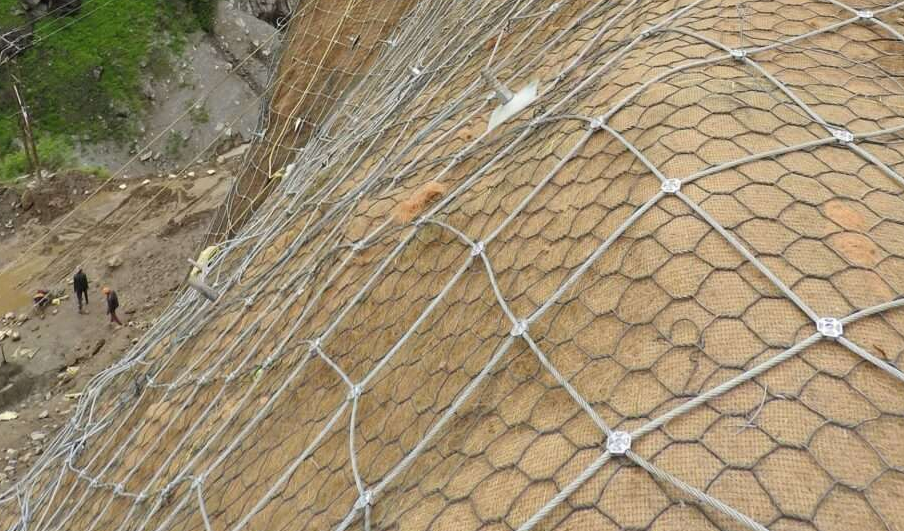
Integrating retaining walls into the foundation strategy is essential for slope management. Modern retaining walls use segmented block systems or poured concrete reinforced with geogrids—synthetic meshes that stabilize the soil mass behind the wall. These materials are designed to withstand the immense lateral pressure of wet soil, preventing landslides that could threaten the home’s structural integrity.
The Envelope: Impact-Resistant Siding and Cladding
Once the foundation is secure, the focus shifts to the exterior walls. In storm zones, siding must resist impact from debris and remain watertight under extreme pressure. Vinyl siding, while popular, often cracks or rips off in hurricane-force winds.
Fiber Cement Siding
Fiber cement has emerged as a gold standard for durability. Composed of cement, sand, and cellulose fibers, this material is engineered to resist warping, rotting, and impact. It is non-combustible, making it an excellent choice for areas prone to wildfires—often a secondary risk in storm-prone regions with dry seasons. Its density allows it to withstand wind loads that would destroy lighter materials.
Engineered Wood
Advanced engineered wood products offer the aesthetic of traditional timber with enhanced durability. Treated with zinc borate and water-resistant resins, these materials resist fungal decay and termite damage. They are designed to withstand high wind loads and impact, providing a robust shield against the elements without sacrificing architectural style.
See also: Strategies to Maximize Rh Points in ASTER
The Shield: Advanced Roofing Solutions
The roof is the most vulnerable component of a building during a storm. Uplift forces can strip shingles, exposing the interior to water damage. For slope and storm durability, the weight and interlocking nature of the roofing material matter significantly.
Metal Roofing
Standing seam metal roofs are exceptionally durable. The concealed fasteners prevent leaks, and the vertical alignment sheds water and snow efficiently—a critical feature for steep slopes. Metal roofs have high wind resistance ratings and are impact-resistant, capable of surviving hail that would shatter asphalt shingles.
High-Density Tiles
For homeowners seeking a more traditional aesthetic with superior mass and durability, concrete roofing tiles are an excellent option. Their weight provides natural resistance to wind uplift, and modern manufacturing techniques have made them less porous and more resistant to freeze-thaw cycles. Because they interlock, they form a cohesive barrier against driving rain.
Composite Slate and Shake
Synthetic roofing materials made from recycled rubber and plastics offer the look of slate or cedar shake but with superior performance. These materials are virtually indestructible, rated for high-impact resistance and extreme wind speeds. They are lightweight compared to stone or concrete, reducing the load on the foundation—a beneficial trait for homes built on challenging slopes.
Windows and Doors: The Breach Points
A building envelope is only as strong as its weakest opening. If a window shatters during a storm, the internal pressure of the house changes instantly, potentially blowing the roof off from the inside.
Impact-Resistant Glazing
High-performance windows use laminated glass, similar to a car windshield. If struck by debris, the glass may crack, but it stays bonded to the plastic interlayer, maintaining the seal of the home. This prevents wind and water from entering and causing catastrophic structural failure.
Reinforced Frames
The glass must be held by equally strong frames. Aluminum or steel-reinforced vinyl frames are anchored deeply into the wall structure. These frames are tested to withstand the push-and-pull forces of cycling wind loads, ensuring that the window unit remains intact even during prolonged storms.
Water Management: Drainage and Erosion Control
On a slope, water is an enemy that gains speed. Managing this flow is critical to preserving the foundation and the landscape.
Permeable Pavers
Traditional concrete driveways create impermeable surfaces that concentrate runoff. Permeable pavers allow water to seep through the surface and into a gravel bed below, slowing the flow and reducing erosion. This is vital for maintaining the stability of the slope around the home.
French Drains and Swales
High-performance durability extends to the landscape architecture. Strategic grading, combined with French drains (gravel-filled trenches with perforated pipes), directs water away from the foundation. Swales—shallow, vegetated channels—slow down rainwater, allowing it to infiltrate the soil gradually rather than washing it away.
Investing in Resilience
Building for slope and storm durability is not about conquering nature, but about adapting to it with intelligence and strength. By choosing materials engineered for stress—from deep-anchored foundations to impact-resistant cladding and secure roofing—you create a sanctuary that endures.
These high-performance materials may carry a higher initial cost, but their value is realized every time the wind howls or the rain pours. In the end, the most sustainable home is the one that does not need to be rebuilt.